Reducing or eliminating alcohol may reduce the frequency of migraine attacks. It may also help eliminate triggers that tend to co-occur with drinking, such as dehydration and sleep deprivation. Although any type of alcohol can trigger a migraine, people who experience regular migraine attacks cite red wine as the most frequent culprit. The authors noted that a likely explanation for their findings is that people with migraine may avoid drinking alcohol, while those who don’t experience migraine partake with less hesitation. If you love drinking beer, but regular migraine attacks or headaches are a fact of your life, it’s worth weighing the pros and cons. Analyze your personal risk carefully, remembering that triggers are often additive.
Conflicting research about alcohol-related headaches
It may be worth considering some treatment options to help you manage your symptoms. Treatment options vary, from acute treatment to relieve symptoms to preventive treatment to reduce the number of attacks you experience. There are also behavioral treatment options and lifestyle changes that can help. Alternative migraine therapies can work alongside traditional treatments to reduce migraine attack frequency and lessen the impact of symptoms.
Types of Alcohol-Related Headaches
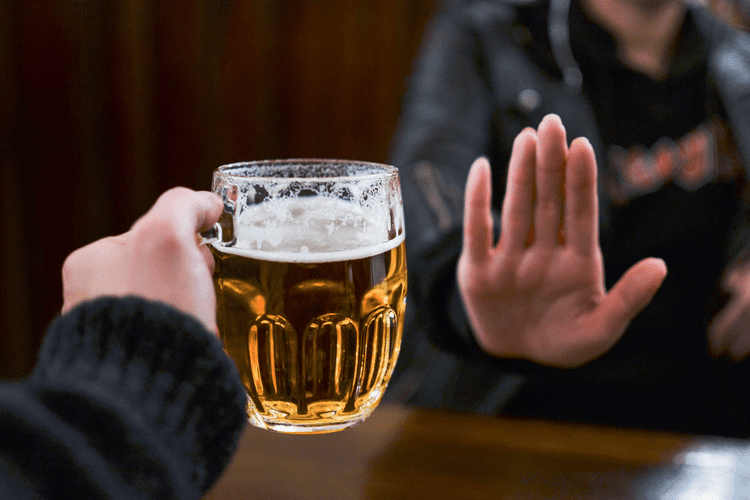
If you’re a chronic migraineur who has decided to have a drink or two, a safe bet is leaving it at that. Additionally, it’s possible to have migraine episodes and https://g7growth.com/2021/11/19/why-does-alcohol-dehydrate-your-body-2/ hangovers, Rosen said. The only alcohol I can have is a wee bit of Irish whiskey in decaf ☕️. Any wine, beer, rum, tequila, vodka, etc. makes me very sick 😫 🤕🤮🤢.
Top doctors in ,
In fact, many headache sufferers abstain from alcohol or consume less than the general population. Vasodilation may trigger migraine attacks in certain individuals. This is especially true for people prone to headaches or migraine without alcohol. Whether alcohol acts as a trigger is really a case-by-case basis for people with migraine. For some people, it could be the amount of alcohol consumed that triggers an attack.
Alcohol & Migraine: What You Need To Know
- The risk of developing an alcohol-induced headache is particularly high with mixed drinks that are composed of multiple types of liquor.
- Of these, 651 met the criterion for EM retrospectively, and 493 reported drinking alcohol.
- Then, consider exploring more treatment options with our other free resources.
- Drink plenty of water, herbal teas, and electrolyte-rich beverages that will help you replenish lost fluids and maintain healthy hydration levels.
Mounting evidence suggests there may be a connection between migraine and mental health. Anxiety disorders and depression are two of the most commonly reported mental illnesses among people who are diagnosed with migraine. By learning how migraine and mental health impact one another and ways to manage both, you can improve your quality of life. Learn more about the relationship between migraine and mental health in this AMF webinar.
People with Heart Conditions or High Blood Pressure
- These headaches often stem from various underlying physiological and neurological changes in the body due to the sudden cessation of alcohol.
- No content on this site, regardless of date, should ever be used as a substitute for direct medical advice from your doctor or other qualified clinician.
- Wine lovers living with a migraine condition don’t have to cut themselves off from wine entirely.
A common misconception is that overconsumption of alcohol is what triggers headaches. As many migraine sufferers can migraine after drinking attest to, sometimes it just takes one glass of wine or even a sip. In addition to these factors, there are some individuals who are more predisposed to experience headaches during alcohol withdrawal due to a series of genetic factors. This might include a history of chronic migraines, personal sensitivity to changes in brain chemistry, or a series of other pre-existing conditions that will vary from person to person.
Rosen said some people he treats report being triggered by simply smelling alcohol. Tannin, a component in red wine, has been long considered the culprit. It has also been found that a specific flavonoid in red wine inhibits an enzyme that metabolizes certain components of red wine, contributing to a build up chemicals that can cause a headache. Early effects of alcohol may dull sensations and have Sober living house an analgesic (pain-relieving) effect. But as alcohol leaves your body, it may have the opposite effect and increase pain sensitivity.
Many people have experienced a headache after drinking alcohol — especially after drinking too much. As dehydration can cause headaches, staying hydrated when consuming alcohol is key. Aim to drink plenty of water before, after, and during alcohol consumption.