Dehydration and disrupted sleep play a large part in the pounding headaches and nausea many of us know too well after a big night out. But hangovers aren’t just physical – there’s a strong mental side too. There isn’t one clear answer to this question, as several factors can play a role in whether someone experiences hangover-related anxiety. Together, this interaction affects your mood, emotions and alertness. This is why when we drink, we often feel more sociable, carefree and willing to let our guard down. But hangovers aren’t just physical – there’s a strong mental side too.
The fear of having a panic attack, because they are so frightening, can be a reason why some people continue to drink alcohol. The National Institute on Alcohol Abuse and Alcoholism reports several mental health disorders commonly co-occur with alcohol use disorders. Anxiety is one of them, with between 20-40% of people treated for anxiety disorders also meeting the diagnosis for alcohol use disorder (AUD). Some people experience anxiety or panic attacks along with their hangovers the day after consuming too much alcohol. This hangover anxiety, or “hangxiety,” can arise for many reasons, including mild withdrawal from alcohol, interrupted sleep, poor dietary choices, and shame or regret. Keep in mind that using alcohol to treat anxiety symptoms might start a harmful cycle.
Can Hangxiety Be Prevented?
Hangxiety is a term used to describe the feelings of irritability, depression, and anxiety that can happen the day after a person has consumed alcohol. They need to drink more and more alcohol to achieve the same desired effects, and if they stop drinking, they will experience withdrawal symptoms. If alcohol use starts to affect a person’s everyday life, relationships, mental health, or physical help, it is an indicator that they need help. It could also be because you might have been drinking excessive amounts of alcohol, and your body is becoming dependent on it, resulting in withdrawal symptoms when you stop drinking. The chemical imbalances that occur when a person drinks alcohol can trigger the body to go into a “fight or flight” mode.
Cognitive behavioral therapy (CBT)
In addition, researchers found people who score high on measures of shyness to be particularly susceptible to hangover anxiety. It’s a natural human response and usually passes once the situation is over – for example around a job interview. But if you have feelings of anxiety that are constant, overwhelming, or affect your daily life, there are things you can do, and support that is available to help you manage.
How much caffeine are you consuming?
Regarding psychological changes, the effects of alcohol on anxiety may change how you feel socially. While drinking, you may engage in behaviors that lead to accidents, injuries, or embarrassment. When this happens, you can develop anxiety by ruminating over what people think about you after seeing you in that position. Even when you become sober, you may still have lingering anxiety when socializing.
- It’s no secret that alcohol has a profound impact on the brain—even a casual drinker can experience a mood shift after a beer or two.
- Although people often drink to relieve stress or use it as a social lubricant to overcome anxiety, the truth is that drinking alcohol can cause anxiety.
- The depressant effects of alcohol can make people feel less self-conscious, more relaxed, and able to socialize more easily.
Alcohol consumption, especially if it’s chronic, can disrupt the brain’s chemistry. The imbalance might cause some people’s brains to enter an overstimulated state as they try to compensate for the depressive effects alcohol causes. Alcohol impacts your intestines’ ability to absorb certain nutrients, leading to shortfalls in zinc, selenium, potassium, iron, and https://dev1.sentientgeeks.us/arindamart-studio/2022/10/06/alcohol-detox-strategies-how-to-flush-alcohol-from/ magnesium. In fact, if you’re experiencing anxiety, drinking alcohol could be making things worse. Seek help from a mental health professional if you have anxiety. If you think you have a problem with alcohol, seek help from your doctor right away.
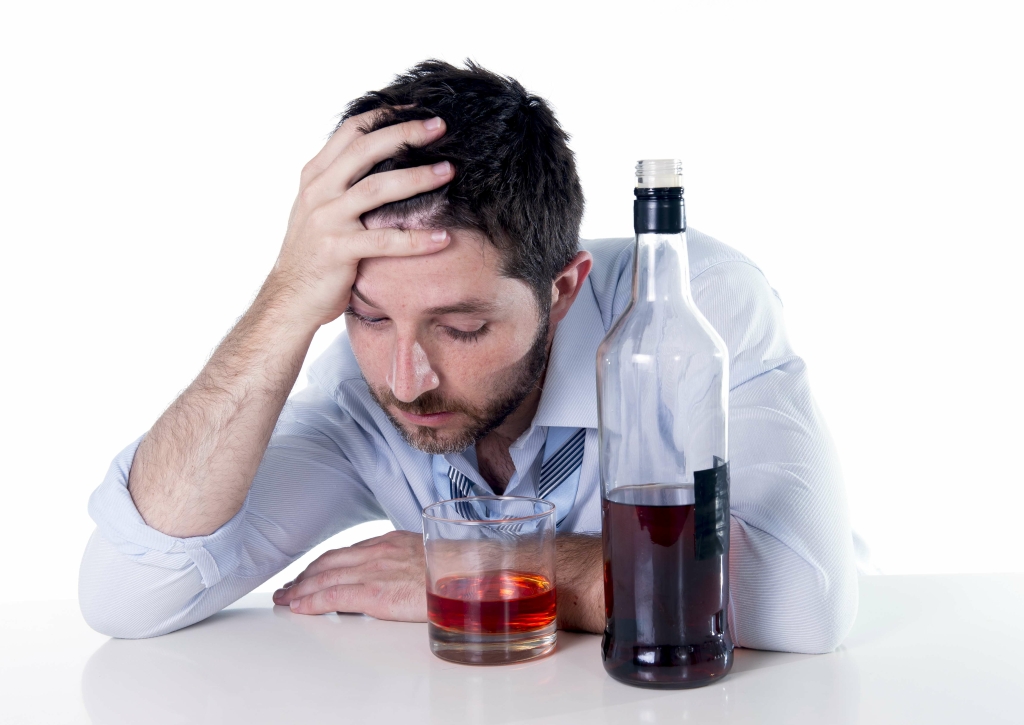
Around 20% of people with anxiety disorders report self-medicating with alcohol. If you’re drinking to decrease your anxiety, you are only putting a (not-so-useful) band-aid on the situation rather than addressing the root cause. When you use alcohol to cope, you limit yourself from learning healthy and effective ways to manage anxious feelings. Long-term alcohol use upsets the harmony of chemicals in your brain, such as GABA and serotonin, that regulate your mood. This worsens anxiety symptoms over time, creating a cycle that leads to dependence. As alcohol wears off and anxiety intensifies, you might start to drink even more.
Researchers found that those with an anxiety disorder were between 2.1 and 3.3 times as likely to develop alcohol use disorder. If you suffer from panic attacks, cut right down on your alcohol consumption, if you drink. The more you drink the greater your tolerance for alcohol – meaning you need to drink more alcohol to get the same feeling.
- However, if a person is often experiencing anxiety due to frequent drinking, it can be a sign that they should reach out for professional help.
- In many cases, self-medicating leads to other problems, including worsening symptoms and substance use problems.
- Then, as your body metabolizes the alcohol and the effects of heavy drinking wear off, you can experience what’s called a rebound effect.
Anxiety and Alcohol: Does Drinking Worsen Symptoms?
Search co-occurring disorder treatment centers and reach out to their admissions teams directly to find the right program for you. Long-term recovery from anxiety requires a strong foundation of healthy habits. These lifestyle changes include getting regular exercise, nourishing your body with a nutrient-dense, anti-inflammatory diet, and improving your sleep hygiene. Doing things that nourish your spirit and allow your mind and body to recharge increases your capacity for handling stress and sets you up for success in daily life. While binge drinking may provide a temporary escape from depressive symptoms, it does not offer any real, lasting relief.
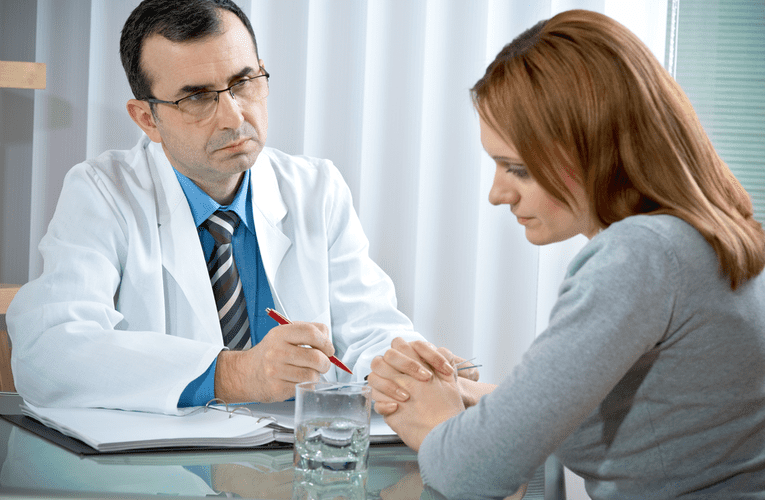
You can become agitated and jittery because your body is busy processing the alcohol, which neutralizes the effect of these medications. Drinking can also cause hangovers, which usually consist of symptoms like nausea, dizziness and headaches. But there can also be a feeling of anxiety and panic the next day. In addition to breads, does drinking cause anxiety noodles, and pastries, it’s also in prepackaged foods like soy sauce. If you’re sensitive to gluten, it can cause anxiety or depression.
Maybe you try to replay the evening’s conversations in your mind or scroll through text Substance abuse messages to make sure you didn’t send something you regret. Or maybe you immediately start issuing mass apologies to friends and family. Whether you have a mental health condition like anxiety or not, certain behaviors can signal that your relationship with alcohol could cause concern.